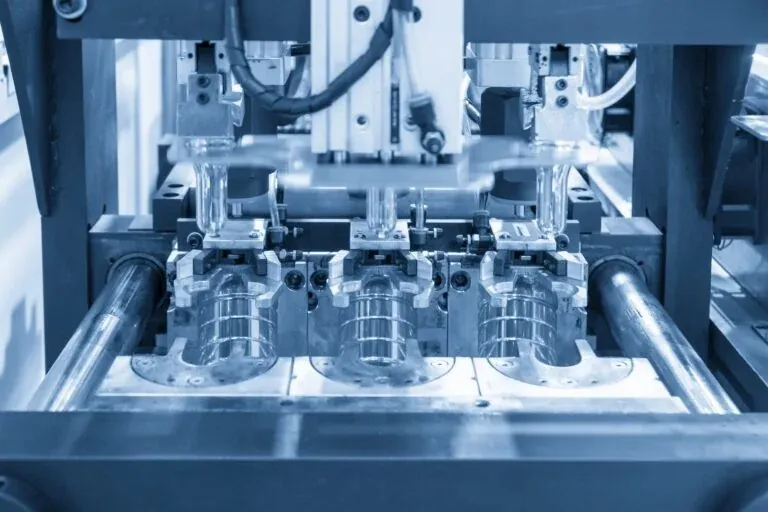
In injection molding, cost per part comes down to a few things: cycle time, scrap, downtime and the material in every shot. Small improvements in each one add up across millions of parts. BG Innovations helps manufacturers reduce molding cycle times and costs with practical changes to tools, processes and plant flow.
Cycle time drives profit
Machine time is usually the largest cost in a molded part. If a tool runs a 30-second cycle and that drops to 26 seconds, the same press makes noticeably more parts every shift with no new equipment. That extra capacity can absorb new work, reduce overtime or delay the need for another press.
Bob Gray focuses on the changes that pay back fastest, so improvements show up quickly in your cost per part and press availability.
Where costs hide in molding
Cost reduction work looks beyond the cycle itself. Common opportunities include:
- Cooling time added as a safety margin that is no longer needed
- Scrap from warp, short shots, flash or sink
- Unplanned downtime from tool maintenance issues
- Excess material in walls, runners and sprues
- Slow mold changes and startup scrap
- Manual handling and secondary operations
- Process drift between shifts and operators
Tooling changes that pay back
Some of the best savings come from the mold itself. Improved cooling, added venting, better gating or a hot runner conversion can shorten cycles and cut scrap at the same time. Bob evaluates the cost of each tooling change against the savings it will deliver, so you only invest where the payback is clear.
Process and part design improvements
Process optimization can reduce cycle time and scrap without touching the tool. Reviewing fill, pack, hold and cooling settings with a disciplined approach often reveals time that can be removed safely. For future programs, applying DFM principles such as uniform wall thickness and right-sized ribs reduces both material and cooling time from the start.
Results you can measure
Every recommendation comes with a clear reason and an expected impact: seconds saved, scrap reduced or downtime avoided. Your team can track the results on the floor. Bob's experience across automotive, appliance, electronics, powersports and consumer product programs helps him spot savings that are easy to miss from inside the plant.
Building cost savings into new tools
The cheapest time to reduce molding cost is before the tool is built. Choosing the right cavitation, designing efficient cooling, planning for automation and applying DFM to the part all lower the cost per part for the entire life of the program. Bob brings this production view into quoting, sourcing and design reviews, so new tools are built to run efficiently from the first day. For existing tools, he helps decide when an upgrade, such as a cooling improvement or hot runner conversion, will pay back and when it will not.
Small gains matter. A few seconds per cycle, a point or two of scrap and a shorter mold change can add up to real savings over a year of production.
How the engagement works
After a free 15-minute call, Bob reviews your tools, process data and scrap reports, and can visit your plant to see the process running. You receive a prioritized plan with expected savings and support while changes are made and verified.
Every second saved is multiplied across every part you run. To find where your costs are hiding, book a free call with Bob.
Frequently asked questions
Is this different from cycle time improvement?
Cycle time improvement focuses on the molding cycle itself. This service looks more broadly at cost per part, including scrap, downtime and material.
Do you need access to our plant?
Not always. Many opportunities can be found from process data, with an on-site visit when it adds value.
Can you help justify tooling changes?
Yes. Each tooling recommendation includes the expected payback so you can make a clear business case.