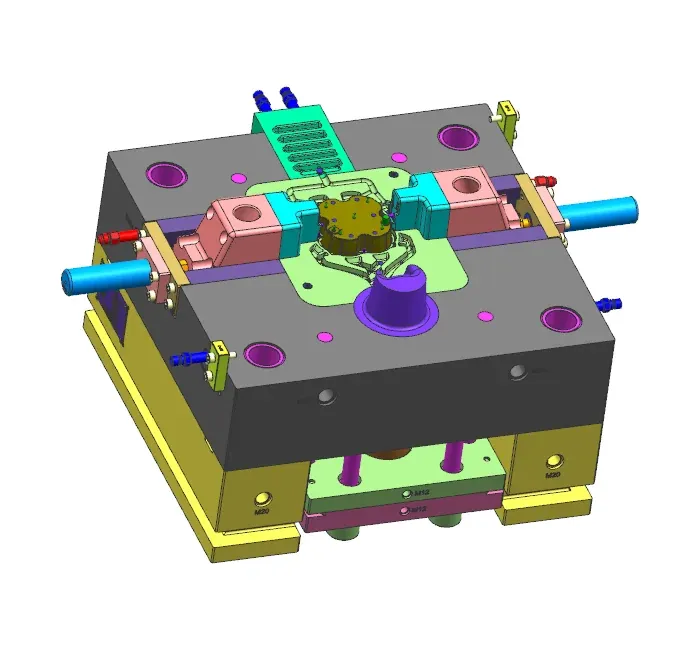
The preliminary mold design is where most of a tool's cost and performance is decided. Layout, gating, cooling, parting line and ejection are all set at this stage, and every one of them is still easy to change. BG Innovations reviews preliminary mold designs early, so problems are fixed with a few CAD edits instead of welding and re-machining hardened steel.
Why review the design early
A change made at the preliminary design stage costs minutes of engineering time. The same change after steel is cut can cost thousands of dollars and weeks of schedule. Yet many programs wait until the final design package to bring in an outside reviewer, when the builder has already committed to a layout and changes feel disruptive.
An early review gives the mold builder and the product team a shared, independent view of the risks while everyone can still act on them. It is one of the highest-return steps in any tooling program.
What Bob looks at in a preliminary design
Bob Gray reviews the layout with the eyes of someone who has seen hundreds of tools run on the press. A typical preliminary review covers:
- Cavity layout, runner balance and press fit
- Gate type, size and location, and how they affect cosmetics and fill
- Parting line placement, shut-offs and flash risk
- Slides, lifters and other actions, including clearances and travel
- Cooling layout and whether it matches the part's heavy sections
- Ejection strategy, pin placement and part release
- Venting, steel safe areas and room for future adjustments
Catching the expensive problems first
Some issues are expensive to fix later and almost free to fix now. A gate in a cosmetic area, a parting line that crosses a visible surface, cooling that cannot reach a thick boss, or ejector pins that will leave marks the customer will reject are all common examples. Bob flags these early and suggests practical alternatives that the builder can work into the design.
Working with your mold builder
A preliminary review is not about finding fault with the builder. It is a second set of experienced eyes that helps the builder deliver a better tool. Bob writes clear, specific markups and is happy to join a call with the builder's designer to talk through options. Mold builders who have worked with him value his knowledge of building, design and gating, and the reviews tend to make the conversation easier, not harder.
Linking design to production
Decisions in the preliminary design show up later as cycle time, scrap rate and maintenance needs. Good cooling and balanced filling shorten cycles. Robust actions and proper venting reduce downtime. Bob reviews the design with production in mind, so the tool is not only buildable but also efficient and reliable once it runs.
Common issues found at the preliminary stage
Across many reviews, the same early issues come up again and again. Gates placed for the builder's convenience rather than the part's cosmetics. Parting lines that create hard-to-hide witness lines. Cooling that was laid out around the mold base instead of around the part. Lifters with no room to travel. Ejector pins on surfaces the customer can see. None of these are hard to fix on a drawing, and all of them are painful to fix in steel. A preliminary mold design review finds them while the fix is still a matter of moving a line, and gives your team a clear, prioritized list to work from.
How the engagement works
You or your mold builder share the preliminary design, part CAD and any mold flow results. Bob reviews them remotely, marks up the findings and sends a written summary with priorities. A follow-up call with you and your builder makes sure every point is understood and closed.
If your next tool is still at the layout stage, now is the best time for a review. Book a free 15-minute call to talk through the part and the timeline.
Frequently asked questions
What files do you need?
Usually the part CAD, the preliminary mold layout (2D or 3D), and any Moldflow results available. Native or neutral formats both work.
Is this different from a full mold design review?
Yes. A preliminary review focuses on concept decisions early on. A full mold design review checks the detailed design before release.
Can the review be remote?
Yes. Most preliminary reviews are done entirely remotely.