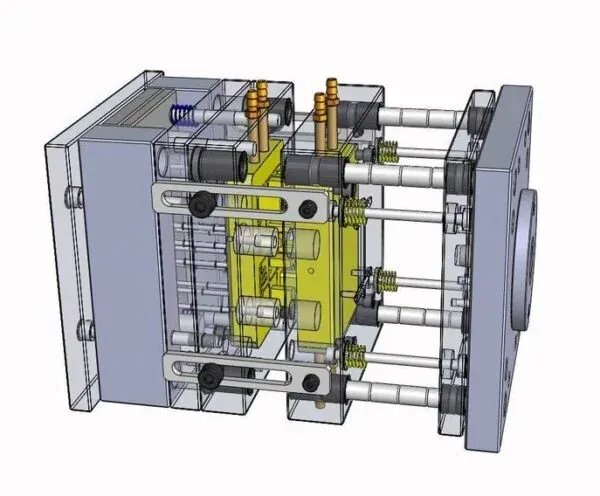
Design for Manufacturability, or DFM, makes sure a plastic part can be molded reliably, efficiently and at the right cost. For injection molded parts it matters even more than usual, because every design choice is cut into steel and repeated on every shot for the life of the tool. BG Innovations provides structured DFM reviews that prevent production problems and optimize the part for molding.
Why DFM matters for injection molding
A part that looks good in CAD can still be hard to mold. Thick sections cause sink and long cooling times. Missing draft makes ejection difficult. Sharp corners concentrate stress. Undercuts add actions to the tool. Each one adds cost, risk and cycle time, and once the mold is cut, changing them is expensive.
A DFM review catches these issues while the part is still easy to change, so the tool can be simpler, the cycle shorter and the parts more consistent.
What a DFM review covers
Bob Gray reviews the part design against what the mold and the process can actually make. Key checks include:
- Draft angles on all walls and textured surfaces
- Nominal wall thickness and transitions between sections
- Rib and boss proportions to avoid sink and voids
- Fillets and radii to reduce stress and improve flow
- Undercuts, and whether they can be designed out
- Gate and parting line implications for cosmetics
- Tolerances, flatness and warp risk
- Material choice and its effect on shrink and cycle
Lower cost and shorter cycles
Good DFM directly reduces cost per part. Uniform walls fill and cool evenly, so the part can be ejected sooner. Removing unnecessary thickness saves material and cooling time. Designing out an undercut can remove a slide or lifter from the tool, which lowers tool cost and maintenance. These savings repeat on every shot for the life of the program.
Better quality from the first shot
DFM reduces the defects that slow launches: sink marks, warp, short shots, flash and ejection damage. Parts designed for molding are easier to dial in at T1 and more stable in production, which means fewer rejected parts and less scrap. That stability matters most for cosmetic parts and high-volume programs where small problems multiply quickly.
Collaboration between design and tooling
DFM works best when tooling experience is involved early, alongside the product designers. Bob acts as that bridge. He explains each finding in terms the design team can use, suggests practical alternatives and helps balance appearance, function and moldability. With 45+ years in injection molds and experience across automotive, appliance, electronics, powersports and consumer products, he brings a wide view of what works.
DFM for startups and new products
Startups and teams launching their first molded product often benefit most from DFM. Industrial designers and engineers may be experts in the product but new to the limits of injection molding. A DFM review explains, in plain language, why a feature will be hard to mold and what the options are. It also helps right-size the tool for the expected volume. That guidance can save a new product from expensive tool changes, delayed launches and parts that do not meet expectations, and it builds knowledge your team will use on every future part.
How the engagement works
Send the part CAD and any drawings, material choices and volume targets. Bob reviews the design remotely and returns marked-up images with a written list of findings ranked by priority. A follow-up call walks through each point with your team and, if you like, your mold builder.
A structured DFM review before the mold design is finalized is one of the simplest ways to protect your schedule and budget. Book a free 15-minute call to discuss your part.
Frequently asked questions
What is a DFM review?
A check of the part design against injection molding requirements, such as draft, wall thickness, ribs, bosses and undercuts, so the part molds reliably and at lower cost.
When should DFM happen?
As early as possible, ideally before the mold design starts and again before it is released.
Do you need the mold design?
No. A DFM review needs only the part design, though mold details help if available.