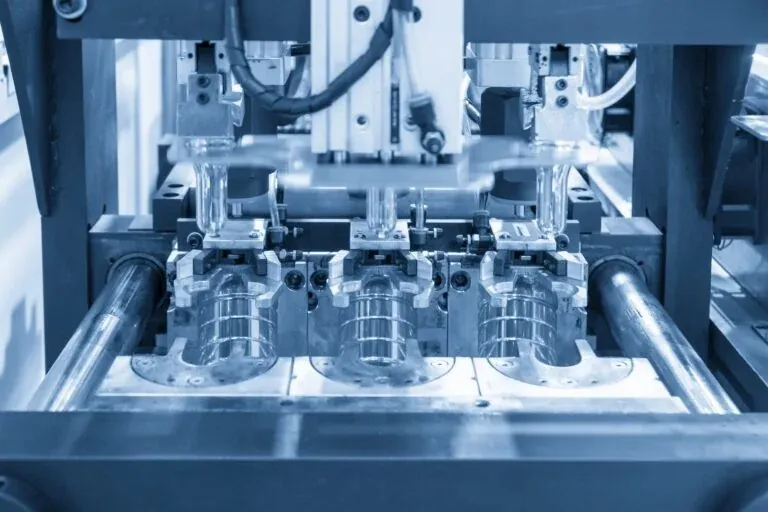
A molding plant is more than a row of presses. Material handling, mold changes, part handling, inspection, packaging and the movement of people all affect how many good parts you ship each day. BG Innovations provides on-site process flow reviews that look at how material, molds and people move through your facility, to reduce downtime and remove bottlenecks.
Why process flow matters
Even when every tool runs a good cycle, a plant can lose capacity in between: material that arrives late at the press, mold changes that take longer than they should, parts waiting for inspection, or operators walking long distances to complete simple tasks. These losses are easy to miss because they happen a little at a time, every shift.
A fresh, experienced look at the whole flow often finds improvements that make a bigger difference than any single tooling change.
What a process flow review covers
During an on-site review, Bob Gray looks at:
- Material storage, drying and delivery to the press
- Mold storage, staging and changeover practices
- Press layout and the flow of parts after ejection
- Automation, conveyors and robot handoffs
- Inspection, packaging and quality checkpoints
- Operator movement and workstation layout
- Maintenance access and tool repair flow
- Scheduling and how work moves between presses
Reducing downtime and bottlenecks
The review identifies where time is lost and why. Common findings include long mold changes that could be shortened with better staging, presses waiting on material, parts piling up at inspection, and layouts that force extra handling. Bob ranks each finding by its impact and the effort needed to fix it, so your team can start with the quick wins.
Connecting tools to the plant
Because Bob has spent more than 45 years around injection molds, he can connect what happens on the plant floor back to the tools themselves. Sometimes a bottleneck is caused by a tool that needs frequent cleaning, a slow ejection setup or a part that requires extra handling. Addressing those root causes improves both the tool and the flow around it.
Practical, not theoretical
The goal of a process flow review is a list of practical changes your team can carry out, not a long report that sits on a shelf. Recommendations are specific, explained in plain language and tied to measurable results such as reduced downtime, faster changeovers or more good parts per shift.
Common process flow problems in molding plants
Some issues show up in many facilities. Resin dryers sized for yesterday's volume, so presses wait for dry material. Molds stored far from the presses that use them most. Changeovers that start only after the last part is made, instead of being prepared in advance. Parts moved several times before packaging. Inspection stations placed where they block the flow of finished goods. These problems are rarely dramatic on their own, but together they can cost a plant hours of production every week. A focused review makes them visible and gives your team a clear plan to fix them.
Small changes in layout and routine often deliver the fastest results, and many require little or no capital spending.
How the engagement works
After a free 15-minute call to understand your plant and goals, Bob schedules an on-site visit. BG Innovations is based in Campbellsville, Kentucky, and Bob travels to facilities across the United States. After the visit, you receive a written summary of findings and recommendations, with a follow-up call to plan next steps.
If your presses run well but your plant still feels short on capacity, a process flow review is a good place to start. Book a free call with Bob.
Frequently asked questions
Is the process flow review done on-site?
Yes. This service is built around a visit to your facility to see material, molds and people moving through the plant.
Which areas do you travel to?
Bob is based in Campbellsville, KY, and travels to manufacturers across the United States.
How long is the visit?
It depends on the size of the plant. Most visits take one to two days, followed by a written summary.