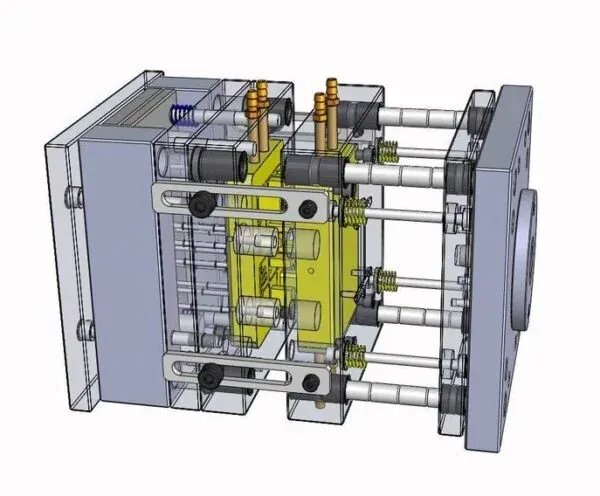
Design for Manufacturing (DFM) means designing a part so it can be produced efficiently and reliably. For injection molded parts it's especially important, because design choices are cut into steel and repeated on every shot for the life of the tool. Here's why DFM deserves a place in every program.
1. Optimized part design
Wall thickness, material selection and gate design all influence how a part molds. Getting them right prevents common defects such as sink marks, warping and flash before they ever appear.
2. Shorter cycle times
Uniform wall thickness and well-placed gates help the mold fill and cool evenly. Even cooling means the part can be ejected sooner, which directly increases throughput.
3. Less material waste
Removing unnecessary thickness from non-critical areas reduces material use and shortens cooling time. Getting the design right early also avoids expensive retooling later.
4. Higher product quality
A DFM review looks for features that cause trouble on the press:
- Sharp corners that concentrate stress
- Undercuts that complicate the tool
- Missing or inadequate draft angles that make ejection difficult
Fixing these reduces defects, rejected parts and scrap.
5. Better collaboration
DFM works best when manufacturing experts are involved early, alongside the product designers. That collaboration catches production problems while they're still easy and inexpensive to solve.
Make DFM a standard step
A structured DFM review before the mold design is finalized is one of the simplest ways to protect your schedule and budget. It costs a fraction of a single engineering change on hardened steel.
Founder of BG Innovations LLC. 45+ years in injection molds, with programs for BMW, Tesla, Honda, GE Appliances and Motorola.